Evaluating the Impact of the US-Israeli War on Iran and its Region
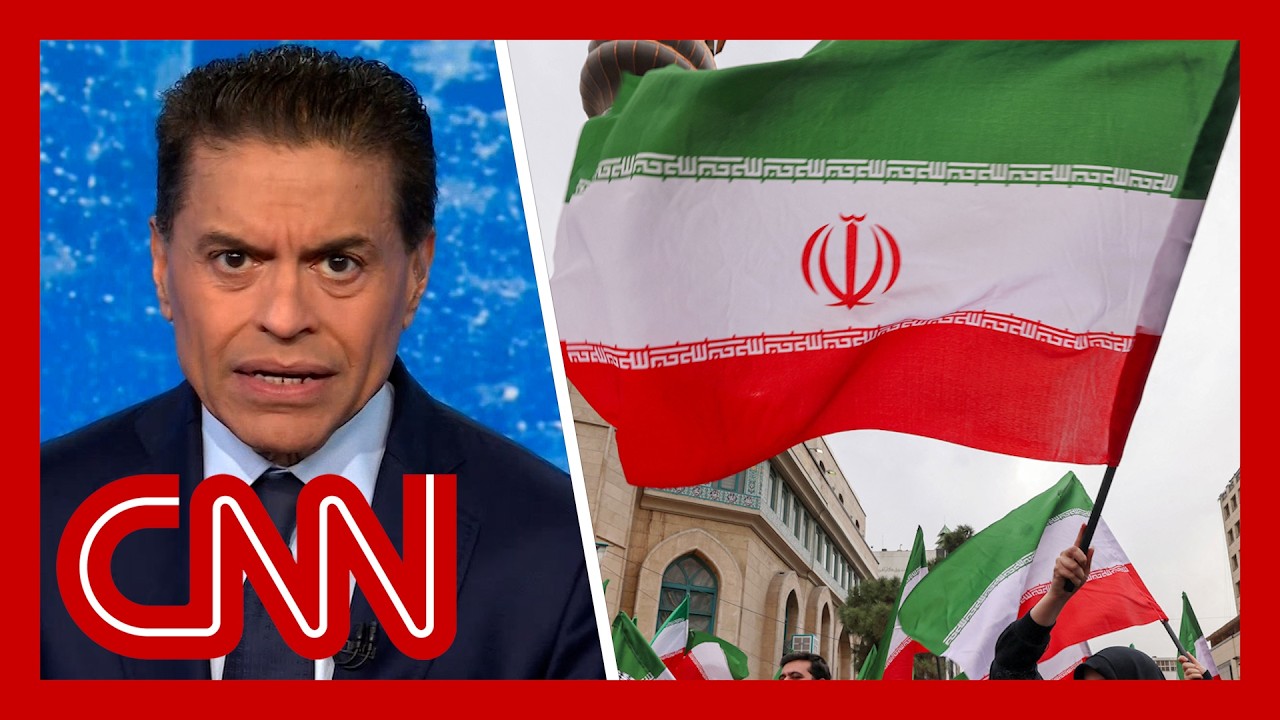
As we enter the second month of the U.S.-Israeli campaign against Iran, it’s essential to assess the implications of this conflict. The landscape of the Middle East, particularly with regard to Iran and its neighboring countries, has undergone dramatic changes since the onset of hostilities in late February.
In June 2025, President Trump’s assertion that Iran’s nuclear enrichment facilities had been "completely obliterated" by a twelve-day bombing campaign reflects a significant military achievement. U.S. and Israeli air forces deployed cutting-edge stealth technology and massive bunker-busting munitions, reinforcing Israel’s earlier claims of having significantly impaired Iran’s nuclear and missile capabilities. This conclusion was corroborated by the head of Israel’s defense forces and further echoed by their Atomic Energy Commission, which noted the potential for these setbacks to last indefinitely, assuming Iran is denied access to nuclear materials.
Moreover, prior Israeli air campaigns in 2024 had already dismantled key components of Iran’s military landscape. The elimination of revolutionary leaders within the Iranian Revolutionary Guard and strikes against ballistic missile facilities served to undermine Iran’s longstanding military posture. Israel’s heavy bombing of Hezbollah, Iran’s most formidable militia ally, further weakened this proxy force, crippling its military leadership. In Syria, Israeli operations contributed to the collapse of a regime heavily backed by Iran, signaling a broader regional resistance against Tehran’s influence.
In stark contrast to its military setbacks, Iran’s economic situation remains dire. Sanctions, the effects of which had compounded over years, alongside rampant internal corruption, have rendered the country fragile, eroding its ability to pose a significant threat to neighboring nations and distant powers like the United States. This reality was acknowledged by President Trump, who suggested that U.S. forces need not be in the region but were present to support "our allies."
Critically, the motivations behind this war merit scrutiny. Reports indicate that Israeli Prime Minister Bibi Netanyahu persuaded Trump to engage in military action, capitalizing on Iran’s moment of weakness to aim for regime change rather than responding to an immediate threat. Trump’s provocative call for the Iranian populace to rise against their government echoes this sentiment, suggesting a strategic rather than purely defensive rationale.
Yet, despite significant military advancements, the war’s objectives remain unfulfilled. The Iranian regime, characterized by increasing inflexibility, has not collapsed as anticipated. Instead, the death of the 86-year-old Ayatollah Khamenei, a figure who had long opposed nuclear armament, resulted in the ascension of a potentially more hardline successor. The Revolutionary Guards, once challenged, now appear emboldened, consolidating their influence in this time of unrest.
Intriguingly, the Strait of Hormuz—a critical artery for global oil transport—remains largely open, contrary to claims of restrictions. Iran continues to export oil, particularly to China, and is positioned to leverage transit costs remarkably. This has resulted in a financial boon for Tehran, further enhancing its capabilities in the aftermath of the conflict.
The unfolding situation presents a complex tapestry of consequences for America’s Gulf allies. Countries like Saudi Arabia, which had previously sought rapprochement with Iran, now find their economic ambitions jeopardized by rising tensions and disruptions to oil exports. The broader regional stability, once within reach, has now deteriorated, transforming what could have been a landscape of peace into a hotbed of uncertainty.
On a global scale, Russia emerges as a principal beneficiary of this turmoil. Escalating oil prices promise significant windfall gains, while the chaotic state of affairs diverts U.S. military attention away from potential strategic challenges elsewhere, particularly in Asia. Europe faces a dual blow, grappling with escalating energy costs and the need to confront an increasingly assertive Russia.
As this conflict continues to unfold, questions about legality and morality arise. The potential targeting of civilian energy infrastructure raises alarms about compliance with international law and the moral responsibilities of military actions. Discourse surrounding such operations reflects an urgent need for clear legal frameworks governing conduct in warfare, particularly concerning the fundamental rights of civilian populations.
In summary, nearly two months into the U.S.-Israeli War against Iran, military successes exist alongside strategic shortfalls. The initial military actions, while effective in the short term, have not yielded the anticipated political outcomes. With regional instability on the rise, the implications of this ongoing conflict prompt critical reflection on the efficacy of military power in achieving lasting peace and security.